
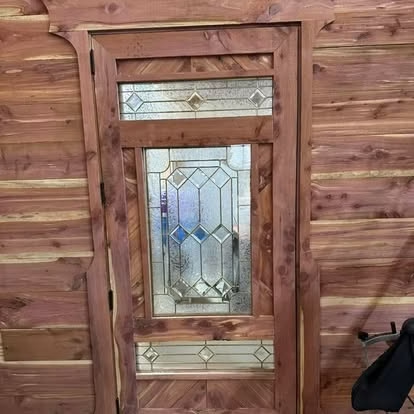
Eastern Red Cedar lumber is one of the most versatile and trusted materials for wood projects today. Also known as aromatic cedar, this wood is prized for its distinctive fragrance and striking color[1]. It offers a rare combination of natural durability, insect resistance, and beauty that makes it an ideal choice for everything from elegant interior finishes to rugged outdoor structures. Whether you’re lining a closet with cedar panels or building a pergola in the backyard, Eastern Red Cedar brings long-lasting performance and rustic charm to the table. In this post, we’ll explore what makes Eastern Red Cedar special – including its durability, rot resistance, pleasant aroma, visual appeal, workability, and availability – and provide practical examples of how homeowners, DIYers, woodworkers, and contractors can use this lumber in a wide variety of projects.
Unique Characteristics of Eastern Red Cedar
Eastern Red Cedar boasts several unique characteristics that set it apart from other woods. Below are some of its standout qualities:
- Durability & Rot Resistance: Eastern Red Cedar is a rot-resistant wood known for its excellent durability. The heartwood contains natural compounds that resist decay and rot for decades, even in damp or outdoor conditions[2]. In fact, this wood holds up so well against moisture and fungi that it’s commonly used for fence posts placed directly in the ground without any chemical treatment[2]. Its inherent toughness means projects built with Eastern Red Cedar lumber can withstand the elements and remain structurally sound for years to come.
- Natural Insect Resistance & Aroma: One of the most famous features of Eastern Red Cedar is its aromatic oil, which gives the wood a pleasant cedar scent and acts as a natural insect repellent. The term “aromatic cedar” comes from this quality – the wood’s fragrance is not just enjoyable for people but also repels moths and other pests[3]. This insect resistance isn’t limited to closets; cedar’s oils can deter nuisances like ants and termites in various settings. The wood essentially provides its own built-in pest control, protecting your projects from insect damage while making your home smell fresh and woodsy.
- Beautiful Color & Grain: Eastern Red Cedar is simply gorgeous. Its heartwood shines in shades of rich reddish-brown, often with hints of pink or violet, while the narrow sapwood edges are pale yellow or cream[4]. This dramatic contrast of colors creates a striking visual appeal in each board. The grain is usually straight and fine-textured, punctuated by occasional knots that add rustic character[5]. Even without stain, Eastern Red Cedar’s natural hues and patterns stand out – a simple clear finish or oil is often all that’s needed to highlight the swirls of red, brown, and amber tones[6]. Every piece of cedar lumber has unique charm, making your project truly one-of-a-kind.
- Ease of Workability: Woodworkers and DIY enthusiasts find Eastern Red Cedar a pleasure to work with. Despite being a softwood, it has a surprisingly solid hardness (around 900 lbf Janka) that allows it to hold up well while still being easy to cut and shape[7]. It cuts, planes, and sands smoothly with both hand and power tools[8]. The wood is relatively light in weight and glues and finishes well[8] – though many projects are left unfinished to enjoy the natural aroma. Cedar’s only minor challenge is the knots (and a bit of natural silica) which can dull blades over time[8], but with sharp tools this isn’t a big issue. Overall, Eastern Red Cedar is very forgiving to work, making it great for beginners and experienced woodworkers alike.
- Availability & Sustainability: Eastern Red Cedar is readily available and affordable in much of North America[9]. It grows across the eastern United States and is commonly harvested for lumber, which means you can find Eastern Red Cedar boards at local sawmills and suppliers (like Mountain Milling Co.!) without breaking the bank. Larger, clear pieces may be less common (cedar trees grow slowly and often have knots), but plenty of quality boards in standard lengths are on the market at modest prices[9]. As a native species that is not endangered, Eastern Red Cedar is a sustainable choice for eco-conscious builders. When you choose this wood, you’re using a local, naturally renewing resource that supports domestic forestry.
Eastern Red Cedar Paneling for Walls and Ceilings
One popular use of Eastern Red Cedar is for interior paneling on walls and ceilings. Using cedar paneling instantly adds warmth, character, and that unmistakable cedar scent to any space. Homeowners often install tongue-and-groove Eastern Red Cedar boards or shiplap cedar planks on living room walls, vaulted ceilings, or porch overhangs to create a cozy, rustic atmosphere. The wood’s natural insulating properties go beyond just looks – cedar is a porous wood that can absorb noise, helping to quiet a room for a more peaceful home[10].
With cedar paneling, you don’t have to worry about warping or shrinking boards over time. Eastern Red Cedar lumber is dimensionally stable, resisting the swelling and cracking that can happen with temperature and humidity swings[11]. This means your cedar-clad walls and ceilings will maintain tight joints and a smooth appearance season after season (even in cabins or homes that experience big climate changes). Cedar also naturally regulates moisture to an extent, which can help keep mildews at bay in damp areas like basements.
Aesthetically, cedar paneling brings a timeless, cabin-like charm to interiors. The mix of red, amber, and golden tones in the wood creates a dynamic woodgrain pattern on large surfaces. Many people choose to leave Eastern Red Cedar paneling unfinished or clear-coated so that the wood’s color and aroma remain as the focal point. Whether you cover all four walls of a room or install a cedar plank accent wall or ceiling, the result is an inviting space that looks and smells wonderful. And because Eastern Red Cedar is lightweight compared to many hardwoods, it’s easier for DIYers or contractors to handle and install on ceilings or high walls. If you’re aiming for a rustic, natural, or log-cabin style interior, cedar paneling is an excellent choice that marries beauty with practical benefits.
Closet Linings and Cedar Chests (Aromatic Cedar for Storage)
Perhaps the most classic application of aromatic Eastern Red Cedar is in closets and storage chests. If you’ve ever opened a cedar chest or stepped into a cedar-lined closet, you’ve experienced the burst of fresh cedar aroma. That fragrance isn’t just for nostalgia – it provides natural protection for clothing and linens. Eastern Red Cedar wood contains oils that repel clothes moths, silverfish, and other fiber-loving insects, which is why for generations people have lined closet walls with cedar planks and built hope chests out of cedar[12]. Storing wool sweaters or precious quilts in a cedar chest helps ensure they won’t be chewed up by moth larvae.
For closet installations, thin cedar lining boards can be installed on interior walls or even cut into blocks and hung in wardrobes. Unlike chemical mothballs (which have a harsh odor and potential toxins), cedar provides a safe, pleasant-smelling alternative to keep your clothes fresh. Homeowners often renovate reach-in closets or walk-in closets with Eastern Red Cedar tongue-and-groove boards on the walls and ceiling, creating a beautiful and functional cedar closet. The result is essentially a giant natural clothing protector – your closet becomes a zone that bugs avoid and odors are neutralized by cedar’s aromatic oils.
Cedar chests (sometimes called “hope chests” or blanket chests) are another beloved use of Eastern Red Cedar. These wooden trunks, traditionally given as gifts or passed down through families, are prized for how they preserve fabrics and keepsakes. The wood’s antimicrobial and insect-repellent properties help prevent mildew and pest damage inside the chest. Plus, every time you open it, you get that rich cedar scent. Eastern Red Cedar is a top choice for heirloom-quality chests and storage boxes because it naturally guards the contents inside while requiring no harsh chemicals or finishes. If you’re a DIY woodworker, building a cedar chest or lining a blanket box with cedar is a rewarding project that highlights this wood’s special qualities. In the end, you’ll have a beautiful piece that protects its contents and smells amazing – truly functional decor!
Outdoor Uses: Fencing, Pergolas, and Raised Garden Beds
When it comes to outdoor projects, Eastern Red Cedar truly shines as a durable, weather-resistant building material. This wood is naturally resistant to rot, decay, and insect damage[13], making it perfect for outdoor structures that face rain, sun, and pests. In fact, Eastern Red Cedar’s heartwood is so rot-resistant that untreated cedar posts have been used for fence posts and can last for decades in direct soil contact[2]. If you’re looking for a long-lasting, low-maintenance wood for outdoor use, cedar is hard to beat.
Cedar fencing is extremely popular for exactly these reasons. Cedar fence boards and posts withstand years of exposure without warping or rotting, unlike untreated pine or other softwoods. A cedar fence not only holds up structurally but also looks great – the wood’s reddish color and tight grain give fences a premium, natural appearance. Homeowners also appreciate that cedar’s oils help deter termites and other wood-boring insects from making a meal of their fence[14]. Whether it’s a privacy fence, picket fence, or ranch-style split rail fence, using Eastern Red Cedar means you’ll have a sturdy barrier that remains intact and attractive with minimal upkeep. You can leave it unfinished (it will weather to a silvery patina over time) or apply a stain/sealant to preserve the fresh color; either way, the wood’s inherent resistance to rot keeps it intact for the long haul.
For larger outdoor structures like pergolas, gazebos, arbors, and decks, Eastern Red Cedar lumber is an ideal choice as well. Builders often use cedar for pergola posts, beams, and slats because it balances strength with resistance to the elements. A cedar pergola or gazebo can handle years of sun and rain while the wood’s natural preservatives fend off rot. Plus, the rustic look of cedar complements gardens and backyards beautifully – the wood blends into the landscape with its earthy color. Cedar timbers are available in substantial dimensions (6×6 posts, 2×6 or 2×8 beams, etc.), allowing contractors to create pergolas that are both robust and visually appealing. As a bonus, working under a cedar structure can be a delight for the senses – on a hot day you might catch a faint cedar scent as the sun warms the wood!
Gardeners also love Eastern Red Cedar for raised garden beds and planter boxes. When building a raised bed for vegetables or flowers, choosing a rot-resistant wood is crucial since the wood will be in constant contact with moist soil. Eastern Red Cedar, being naturally rot-proof and long-lasting, is perfect for this application[13]. You can build a raised bed frame with cedar boards, and it will endure season after season without rotting away like untreated lumber would. This means you won’t have to rebuild your garden boxes every few years – cedar beds can last for many years, even a decade or more. Another big advantage is that cedar doesn’t require any chemical treatment to resist decay. Many people specifically avoid pressure-treated wood for vegetable garden beds (to keep chemicals out of their food), so cedar provides a safe, organic solution. The wood’s oils even have mild anti-fungal and insect-repelling properties, which can help keep the soil healthy. In short, if you’re planning a raised bed or planter, using Eastern Red Cedar lumber will give you a beautiful, long-lasting structure that withstands weather and enriches your garden.
Rustic Cedar Furniture and Decorative Woodworking
Eastern Red Cedar isn’t just for structural uses – it’s also a favorite for furniture making and decorative woodworking. The term “rustic cedar furniture” is often used to describe the charming, country-style pieces crafted from this wood. If you’ve visited log cabins, lakeside cottages, or farmhouse-style homes, you may have seen cedar chairs, tables, or bed frames that showcase the wood’s rich color and knots. Cedar logs and boards can be turned into stunning furniture that’s both sturdy and full of character. For example, cedar is commonly used for Adirondack chairs, picnic tables, benches, and porch swings because it holds up well outdoors and provides a comfy, lived-in look. Indoors, cedar can be made into beautiful dining tables, coffee tables, headboards, and dressers, especially if you’re going for a rustic or vintage aesthetic.
One big benefit of using Eastern Red Cedar for furniture is its natural ability to resist bugs and decay, which continues to protect the piece throughout its life. A cedar patio bench or outdoor table will be far more resistant to rot in humid or rainy climates than a similar piece made from an untreated hardwood. And for indoor pieces like chests or wardrobes, cedar’s aroma will help keep contents smelling fresh and discourage any pests from sneaking in[15]. Woodworkers also appreciate that cedar is lightweight yet reasonably strong, which makes moving or rearranging the furniture easier and ensures the finished item is durable but not unwieldy.
From a craftsperson’s perspective, Eastern Red Cedar offers a lot of creative potential. It is soft enough to carve and shape with hand tools, allowing for intricate details or even artistic carving work on furniture accents. The wood sands to a silky smooth finish, and because the grain is fine, cedar can take on a nice polish or lacquer if desired. However, many makers choose to simply oil or wax cedar furniture, or leave it unfinished, to let that fragrance continue to permeate the room. The attractive grain patterns and knots in cedar mean that even a simple design (like a stool or a blanket chest) will have visual interest without a need for heavy staining or painting. Each piece of cedar furniture ends up unique, thanks to the wood’s natural variations in color and grain.
Eastern Red Cedar is also popular for small decorative items and woodworking projects. Hobbyists use cedar scraps to build birdhouses, bird feeders, picture frames, jewelry boxes, candle holders, and all sorts of crafts. The wood is easy to cut into small pieces and doesn’t split excessively, making it friendly for detailed work. Even woodturners enjoy cedar for bowls and carvings that capture the two-tone heartwood/sapwood contrast. And of course, the classic cedar hope chest remains a sought-after item for its beauty and utility. In short, whether you are constructing a large piece of rustic cedar furniture or whittling a small figurine, Eastern Red Cedar provides beauty, workability, and longevity. It’s a wood that inspires creativity while delivering practical benefits in the finished piece[16].
Benefits for Homeowners, DIYers, Woodworkers, and Contractors
Eastern Red Cedar lumber isn’t just versatile in terms of uses – it also offers something for virtually everyone who works with or enjoys wood. Here’s how this wood can benefit different people:
- Homeowners: If you own a home, Eastern Red Cedar can enhance it in many ways. It allows you to add value and beauty to your home’s interior and exterior with features like cedar siding, paneling, or a new deck, all of which are eye-catching and long-lasting. Cedar’s natural insect repellent qualities mean a cedar-lined closet can protect your clothes, and cedar mulch or planks outdoors can help keep pests away from your property. Maintenance is minimal since the wood naturally resists rot – for example, a cedar fence or shakes on your house will last longer and need fewer repairs than other woods. Homeowners also love the aromatic ambiance cedar creates; your closets, drawers, or entire rooms can have a fresh woodsy scent instead of stale air. In short, Eastern Red Cedar offers homeowners peace of mind (knowing their wood features won’t easily deteriorate) and the enjoyment of living with a material that’s both functional and beautiful.
- DIY Enthusiasts: For the DIYer or hobbyist, Eastern Red Cedar is a dream to work with. It’s easy to cut and sand, even with basic tools, so you don’t need an advanced workshop to take on a cedar project. The wood’s forgiving nature (not too hard, not too splintery) makes it great for learning woodworking or tackling projects on the weekends. DIYers can readily find cedar boards at lumber yards and home centers, and often these boards come in manageable 8-foot lengths that are easy to transport and handle. The affordability of cedar is a plus for budget-conscious DIY projects – you can build a beautiful piece of furniture or a set of planter boxes without spending a fortune. As you work, you’ll also notice the pleasant cedar aroma – a nice bonus that makes the garage or workshop smell fantastic while you’re cutting and sanding. Finally, cedar’s inherent good looks mean that even simple designs will turn out looking great; a basic cedar bookshelf or handmade chest will have rich color and character without a complicated finishing process. For anyone who enjoys making things themselves, Eastern Red Cedar provides a rewarding building experience with a high chance of a successful, great-looking result.
- Woodworkers & Craftsmen: Seasoned woodworkers appreciate Eastern Red Cedar for its combination of aesthetic and practical benefits. This wood can be used to craft high-end custom furniture, cabinetry, or decorative pieces that stand out. The fine grain takes detail well, so joinery and carving come out crisp, allowing craftsmen to showcase their skills. Cedar’s attractive natural colors and the way it accepts finishes give woodworkers plenty of design flexibility – you can leave it natural for a rustic piece or apply a clear coat to accentuate the grain; you can even stain it (though many prefer not to hide its colors). Importantly, Eastern Red Cedar is dimensionally stable and relatively light, which means it’s less likely to warp while you’re building and easier to maneuver in the shop. Woodworkers also know that cedar glues well and doesn’t corrode metals like some woods do, so assembling projects is straightforward. And when selling or gifting cedar creations, makers often point out the wood’s special qualities – for example, a cedar-lined jewelry box or drawer is a premium feature because it will keep its contents smelling fresh and safe from moths. Ultimately, for craftsmen who take pride in both form and function, Eastern Red Cedar is a material that delivers artistic beauty, durability, and user appeal in the finished work.
- Contractors & Builders: Professionals in construction love working with Eastern Red Cedar because it satisfies clients and holds up over time. For home builders and remodelers, using cedar for exterior elements (siding, trim, soffits, fences) means they can promise homeowners a product that is naturally rot-resistant and won’t be vulnerable to insect damage – a big selling point in many regions. Contractors know that cedar lumber, especially when sourced from a quality mill, is reliable and consistent. It comes in standard dimensions (like 2×4, 2×6, etc., as well as specialty profiles like tongue-and-groove or shiplap), making it easy to incorporate into building plans. The wood is typically straight and true, and because it’s not overly heavy, it’s safer and less strenuous for crews to handle on job sites. Another benefit is cedar’s workability with tools – it mills and nails cleanly, so installers can get tight joints and a good finish without fuss. From a longevity standpoint, a contractor can install a cedar deck or pergola and be confident that they won’t be returning in a year to replace rotted boards or deal with termite complaints. And let’s not forget the curb appeal: contractors often choose cedar for visible structures because it instantly conveys quality and natural beauty, enhancing the overall look of the project. By using Eastern Red Cedar, contractors and builders can deliver craftsmanship that delights clients with its appearance and stands the test of time, leading to satisfied customers and fewer warranty issues down the line.
Ready to Start Your Cedar Project? Contact Mountain Milling Co.!
Eastern Red Cedar’s versatility, beauty, and durability make it a fantastic choice for just about any wood project you can imagine. If you’re feeling inspired to use this wood in your next project – whether it’s installing cedar paneling, building a rustic cedar furniture piece, or constructing a new fence or garden bed – we’re here to help. Mountain Milling Co. specializes in high-quality Eastern Red Cedar lumber products, and our team is passionate about connecting customers with the perfect cedar materials for their needs.
Have questions about working with cedar or need custom dimensions? Feel free to reach out to us! We are happy to share our expertise, offer guidance, and provide custom orders to ensure you get exactly what you’re looking for. From tongue-and-groove boards for paneling to rough-cut cedar posts and beams for outdoor structures, we can supply the right lumber to bring your vision to life.
Contact Mountain Milling Co. today to discuss your project or request a quote. We take pride in excellent customer service and would love to help you experience the benefits of Eastern Red Cedar firsthand. Let us be your partner in creating something wonderful with this exceptional wood – we’re just a phone call or message away, and ready to assist you in making your cedar project a success![17]
[1] [6] [7] [10] [11] [12] [14] Endless Possibilities: Eastern Red Cedar Wood Uses – Log Siding, Paneling, Railing, Trusses & More – Northern Log
[2] [3] [4] [8] [9] [16] Eastern Red Cedar | The Wood Database (Softwood)
[5] [13] [17] Mountain Milling Co Website Text.docx
file://file-TzA3n4yW2F7bd9WkAdkwji
[15] Cedar Wood for Construction and Furniture: Benefits You Can’t Ignore – Dwello
