
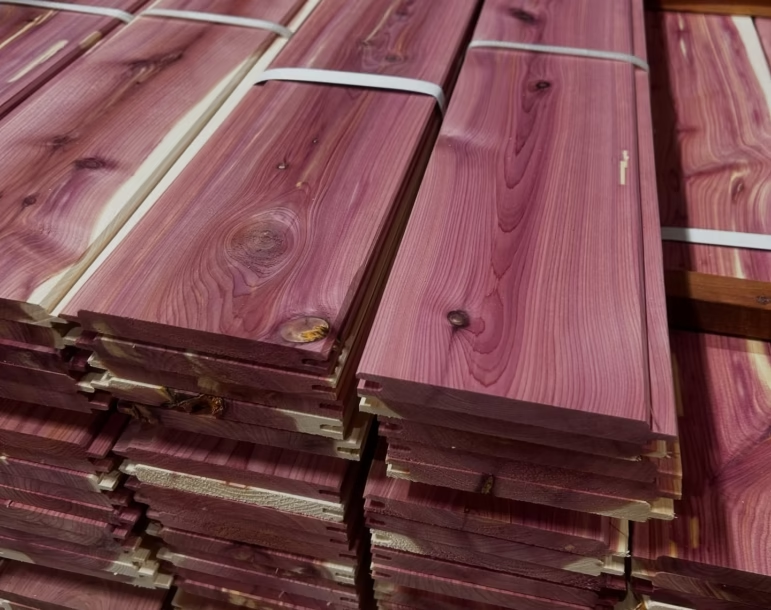
Aromatic cedar closet liners are interior wood panels or planks—often made from Eastern Red Cedar—that line closet walls, drawers, and wardrobes to protect garments and stored items with a natural scent and pest-deterring properties. Their effectiveness comes from volatile cedar oils released by the wood that repel fabric pests and help moderate humidity, delivering both practical protection and a pleasant aroma. In this guide, we explain what aromatic cedar liners are, why Eastern Red Cedar (Juniperus virginiana) is preferred, how to install tongue-and-groove planks, and practical maintenance steps to keep scent and performance over time. You will gain a science-informed view of cedar’s insect-repellent mechanism, a step-by-step DIY installation workflow, cost and decision guidance for planks versus panels, plus maintenance routines to refresh scent and avoid common pitfalls. We’ll also compare product types, list recommended tools and accessories, and include tables that map benefits to mechanisms and costs to real-world components to help you choose the right approach for your closet project.
What Are Aromatic Cedar Closet Liners and Why Choose Eastern Red Cedar?

Aromatic cedar closet liners are wood-based interior coverings that use the natural oils of cedar species to protect clothing and linens while imparting a lasting fragrance. Eastern Red Cedar (Juniperus virginiana) is often chosen because its heartwood contains volatile sesquiterpenes and other aromatic compounds that volatilize slowly at room temperature, providing ongoing repellency to fabric pests and a natural scent. These liners are typically installed as tongue-and-groove planks, panels, or plywood sheets and work by combining chemical deterrence (volatile oils) with hygroscopic behavior that moderates humidity. We find that if you are seeking both aesthetic refinement and passive pest protection, you will commonly choose Eastern Red Cedar for closets and drawers because of its balance of aroma, durability, and workability. Understanding these mechanisms clarifies why cedar remains a top choice and sets up the installation and maintenance strategies that we will discuss.
We specialize in Eastern Red Cedar lumber, including our popular 1/2″ x 5″ x 8′ tongue & groove panels, which are perfectly suited for closet lining. Our panels offer material options that map directly to the plank and panel uses we describe here; consider them as prime examples when planning materials and quantities for your project.
What Makes Eastern Red Cedar Ideal for Closet Lining?
We find Eastern Red Cedar’s suitability for closet lining stems from its chemical and physical properties, especially the presence of aromatic cedar oils in the heartwood that volatilize slowly and act on fabric pests and odors. The wood is moderately dense with a fine, straight grain and a natural reddish hue that enhances closet aesthetics while remaining easy to work with hand and power tools. Its natural rot resistance and dimensional stability mean well-installed liners can last decades when kept dry and properly ventilated, preserving garments and interior surfaces. These combined attributes—aroma, pest-resistance chemistry, durability, and workability—make Eastern Red Cedar a practical material for both DIY and professional closet-lining projects. Appreciating these properties helps you choose the right plank grade and thickness for your intended finish and longevity.
How Do Aromatic Cedar Liners Protect Against Moths and Mildew?
Aromatic cedar liners deter moths and certain fabric pests primarily through volatile organic compounds (VOCs) released from the heartwood; these compounds interact with insect olfactory receptors and reduce attraction or feeding behavior on stored textiles. Typical targets include clothing moth larvae and other fabric-feeding larvae; cedar’s oils are not a guaranteed exterminant but act as a preventative layer that lowers pest activity in properly maintained storage. Cedar also influences microclimate by absorbing and releasing small amounts of moisture—its hygroscopic nature helps moderate closet humidity swings, which reduces the conditions that support mildew growth. That said, cedar is most effective when combined with good ventilation and regular inspection; in high-humidity environments or severe infestations, complementary measures may still be necessary to fully protect textiles.
Aromatic Cedar Closet Liners: What They Are and Why Eastern Red Cedar
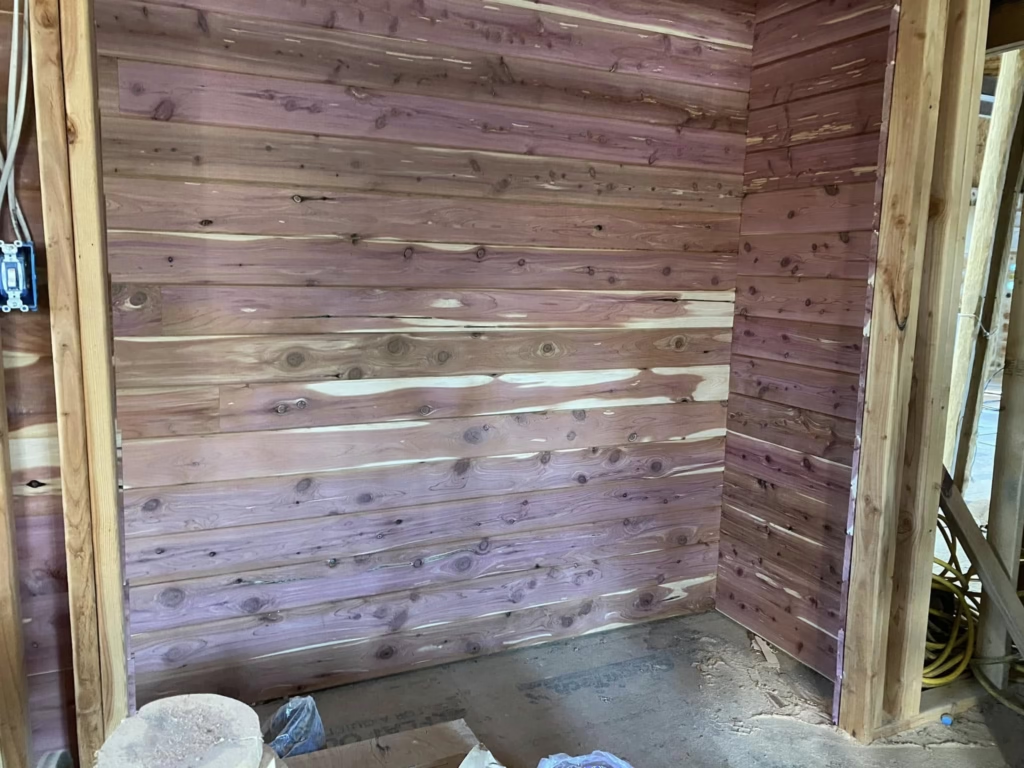
Installing aromatic cedar closet liners requires accurate measuring, acclimating the wood, and following a sequence that ensures tight seams and secure fastenings for long-term performance. Begin by measuring wall areas, checking substrate condition, and allowing cedar planks to acclimate in the installation space for several days to minimize later movement. The general workflow includes preparing the backing, installing a straight starter board, engaging tongue-and-groove joints row by row, fastening appropriately, trimming openings, and finishing with trim and ventilation considerations. Below, we provide practical tool and materials lists and a clear description of tongue-and-groove installation mechanics to guide you through the process.
- Essential tools and protective gear for a safe, accurate installation:
These tools form the core kit; optional items such as a pneumatic flooring gun, adhesive for over-drywall installs, and a finishing plane speed up work and improve results. In the next section, we explain how the tongue-and-groove joint functions and offer practical tips for achieving tight seams and neat corners.
What Tools and Materials Are Needed for Cedar Closet Installation?
For a typical closet-lining job you need a balance of essential tools, fastening options, and preparation materials that suit your chosen installation method and budget. Essential tools include measuring devices, cutting tools like a miter saw, a brad or finish nailer to attach planks, and hand tools such as a pry bar and mallet for fit adjustments. Recommended materials include Eastern Red Cedar tongue-and-groove planks (various thicknesses), trim pieces, construction adhesive for some backing types, and finishing supplies like light sandpaper and mineral spirits for dust cleanup. Safety and preparation items—dust masks, eye protection, drop cloths, and moisture meters—help avoid common mistakes and ensure accurate acclimation and installation. With tools and materials organized, the installation sequence becomes a predictable series of measurements, starter board placement, sequential plank fitting, and finishing trims.
How Does Tongue and Groove Cedar Plank Installation Work?
Tongue-and-groove cedar planks interlock via a projecting tongue on one edge and a matching groove on the opposite edge, creating a tight seam that minimizes air gaps and presents a continuous surface. Installation begins with a straight starter board fastened to the substrate; each subsequent plank is angled to engage the tongue into the groove and then tapped flush with a mallet and block before fastening through the tongue or at an angle into the face, depending on the system. Leave small expansion gaps at the top and bottom per manufacturer recommendations to allow seasonal movement; use corner trim and reveal strips for neat transitions around door frames and shelving. Properly installed tongue-and-groove planks deliver a cohesive, finished appearance with improved scent retention and reduced insect access points compared to loose or butt-joined panels.
What Are the Key Benefits of Using Aromatic Cedar Closet Liners?
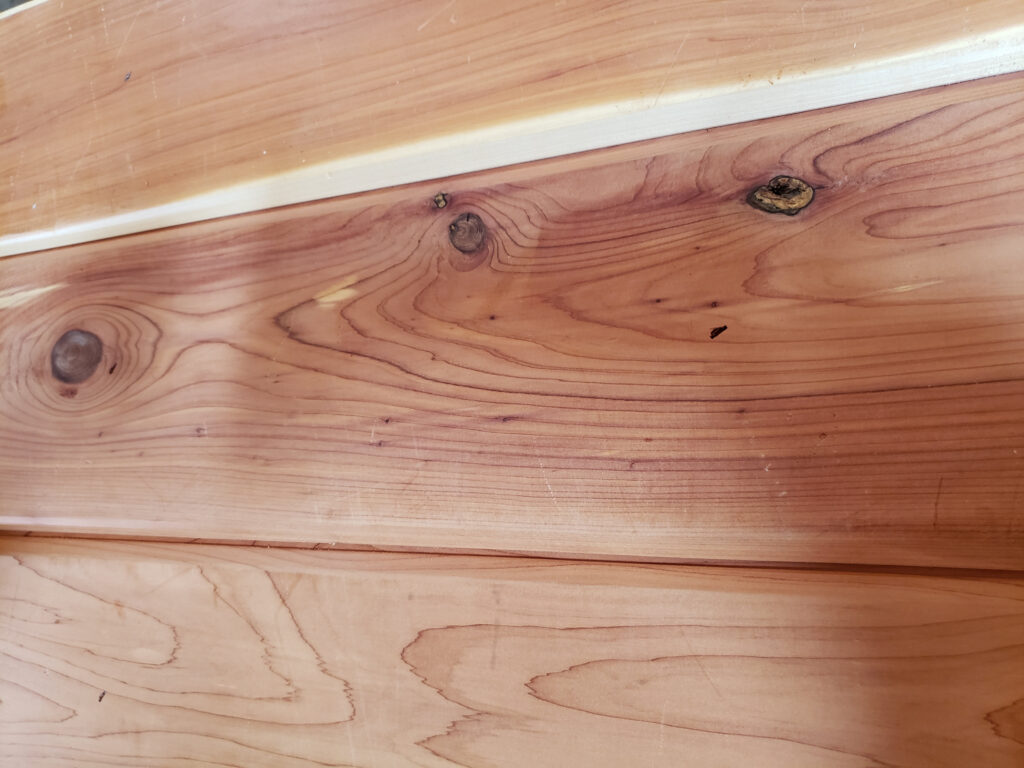
Aromatic cedar liners provide multiple, interrelated benefits: natural moth and pest repellency, moisture moderation that reduces mildew risk, a lasting pleasant aroma, and an aesthetic upgrade that can increase perceived closet value. These benefits arise from specific mechanisms—volatile cedar oils for pest deterrence and hygroscopic wood behavior for moisture regulation—so the outcomes are both sensory (scent, look) and functional (pest and moisture control). Below, we provide a concise mapping of benefits to mechanisms to make it clear how each advantage is delivered and what practical result you can expect in real-world closet conditions.
| Benefit | Mechanism | Practical Outcome |
|---|---|---|
| Moth and pest deterrence | Volatile cedar oils modulate insect behavior | Reduced fabric pest activity and fewer larvae on stored textiles |
| Moisture moderation | Cedar absorbs/releases moisture (hygroscopic) | Lower mildew risk and more stable microclimate for garments |
| Long-lasting aroma | Slow volatilization of heartwood compounds | Continuous natural scent without synthetic additives |
| Aesthetic and durability | Fine grain, rot resistance, workable surface | Attractive interior finish and long service life for liners |
This table clarifies how each benefit maps to a physical or chemical mechanism and what you can practically expect from a well-executed installation. In the following subsections, we explain pest and moisture mechanisms in greater detail to set realistic expectations.
How Does Cedar Provide Natural Moth and Pest Repellent Protection?
Cedar’s pest-repellent action is primarily olfactory: compounds in the wood emit low concentrations of aromatic volatiles that interfere with moths’ host-location and egg-laying behaviors. Key target pests include clothing moth larvae, which feed on keratin-based fibers, and other fabric feeders that avoid treated surfaces; cedar reduces attraction and can lower infestation rates when combined with proper cleaning and inspection. Expect cedar to act as a deterrent rather than a guaranteed eradicant—severe infestations may require targeted pest control—so use cedar liners as part of an integrated prevention plan. To maximize effectiveness, pair installed liners with cedar blocks or sachets in drawers and refresh surfaces periodically to maintain vapor release.
How Does Cedar Control Moisture and Prevent Mildew in Closets?
Cedar moderates humidity by absorbing moisture when relative humidity rises and releasing it when air dries, helping to dampen rapid swings that encourage mildew spores to germinate on fabrics and surfaces. When closets have modest ventilation and are not chronically damp, cedar’s hygroscopic behavior contributes to a more stable microclimate that reduces mold risk. However, cedar is not a substitute for mechanical ventilation, dehumidifiers in very humid climates, or fixing structural moisture sources; in persistent high-humidity environments, combine cedar with active moisture control and routine inspection. Installing cedar without sealing it helps preserve both moisture-regulating properties and aromatic oil release; sealing the wood will reduce these benefits.
Which Types of Cedar Closet Liners Are Available and How to Choose?
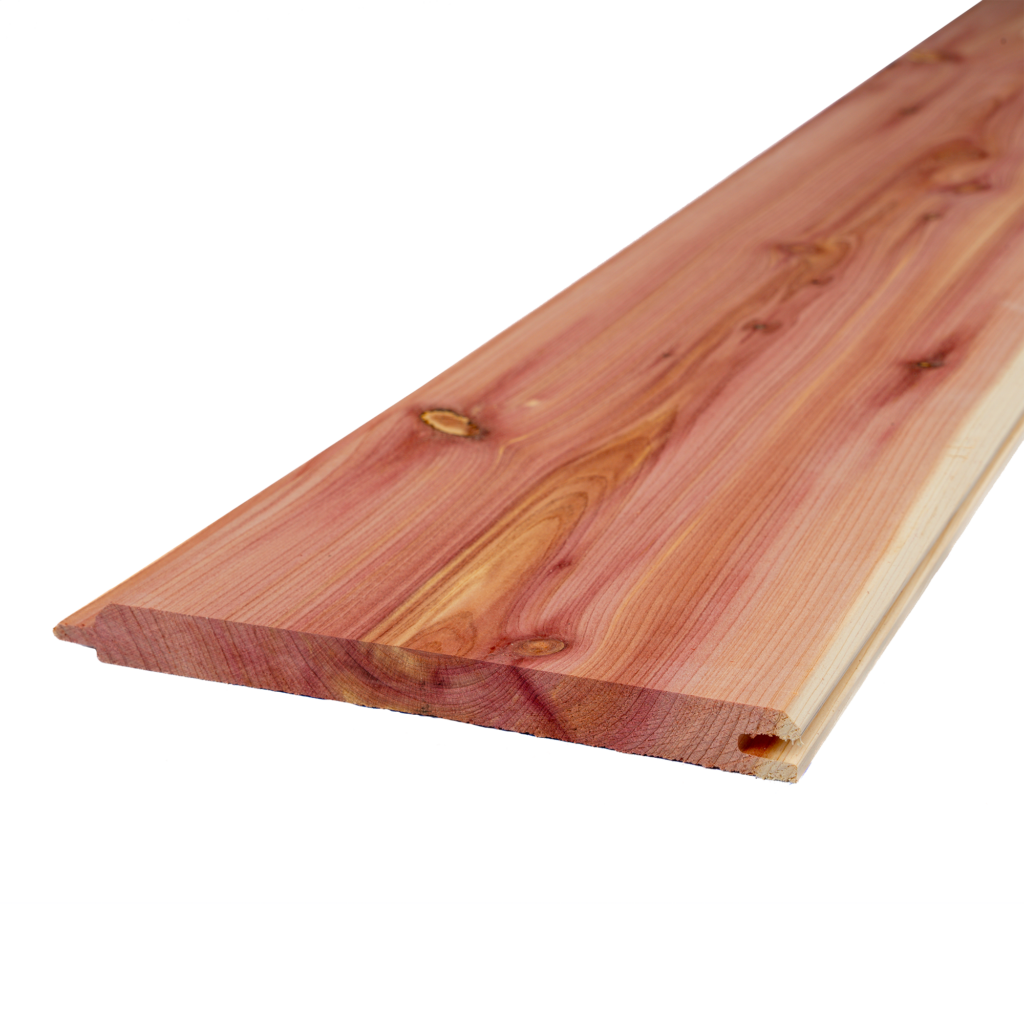
We find closet liners are commonly available as tongue-and-groove planks, decorative cedar panels, and cedar-faced plywood; each format trades off aesthetics, installation complexity, and cost. Tongue-and-groove planks typically offer the best continuous appearance and stronger aroma retention, while panels and plywood provide faster coverage and may be easier for large or budget-conscious projects. For an optimal blend of aesthetic appeal, robust aroma, and straightforward installation, our 1/2″ x 5″ x 8′ Eastern Red Cedar tongue & groove panels are an excellent choice, offering a premium finish and lasting protection. Selection should consider closet size, desired finish, DIY skill level, and ventilation—small reach-in closets often favor planks for appearance, whereas large walk-ins can benefit from panel systems for speed. Below, we provide a comparison table to help you match product type to your project goals and constraints.
| Product Type | Thickness / Typical Options | Installation Method | Finish / Typical Use |
|---|---|---|---|
| Tongue & Groove Planks | 1/4″–3/4″ common thicknesses (e.g., our 1/2″ x 5″ x 8′ panels) | Nail or adhesive to substrate | High-finish appearance, strongest aroma |
| Cedar Panels | 1/4″–1/2″ sheet panels | Adhesive or screws to backing | Quick coverage, decorative options |
| Cedar-Faced Plywood | 1/4″–3/8″ face veneer | Screw or adhesive over drywall | Cost-effective, moderate aroma |
This table helps clarify where each product form performs best: planks for finish and aroma, panels for speed, and plywood for budget-conscious installs. When choosing, weigh appearance preferences, installation time, and how much scent retention matters for your storage needs.
What Are the Differences Between Cedar Planks, Panels, and Plywood?
Cedar planks (especially tongue-and-groove) deliver the most continuous look and typically retain scent longer due to thicker heartwood, but they require more precise installation and slightly higher material costs. Our 1/2″ x 5″ x 8′ Eastern Red Cedar tongue & groove panels, for instance, strike an ideal balance, offering the continuous look and strong aroma retention of planks with manageable installation for many DIYers. Panels and cedar-faced plywood are faster to install and often less costly per square foot, though thinner faces or veneers may volatilize fewer aromatic oils over time, reducing scent intensity. Durability-wise, solid planks can be sanded and refreshed, whereas plywood veneers are more limited in renewal. Choose planks for premium aesthetic and scent longevity, panels for moderate balance, and plywood for budget installations where rapid coverage is the priority.
How Much Does It Cost to Install Aromatic Cedar Closet Liners? DIY vs. Professional Options
Cost for cedar closet lining varies by material choice, plank grade and thickness, labor, and project complexity; typical material costs range widely based on grade and retail source, while labor costs depend on region and installer experience. DIY projects lower labor expense but require tools and time investment; expect small reach-in closet installs to be manageable for most competent DIYers, while large walk-ins or installations requiring electrical or structural changes often justify professional rates. Below, we provide a practical cost-component breakdown to help you estimate budgets for material-only DIYs versus fully contracted installations.
| Cost Component | Typical Range | Notes |
|---|---|---|
| Material (Eastern Red Cedar planks) | Moderate to higher per sq ft | Varies by thickness and grade |
| Fasteners & trim | Low to moderate | Nails, adhesives, trim pieces |
| Tools (if purchased) | Moderate one-time cost | Saw, nailer, measuring tools |
| Professional labor | Hourly or per-project rate | Complexity and finish level increase cost |
After accounting for these components, you may find DIY material-only installs to be cost-effective for smaller closets, while professionally installed projects deliver faster completion and consistent finish for larger or complex layouts. If you prefer an expert-installed finish or need help estimating materials, we sell premium Eastern Red Cedar planks, including our popular 1/2″ x 5″ x 8′ tongue & groove panels, suitable for closet liners. We can provide material estimates or a custom quote for project planning.
What Are Typical Material and Installation Costs for DIY Projects?
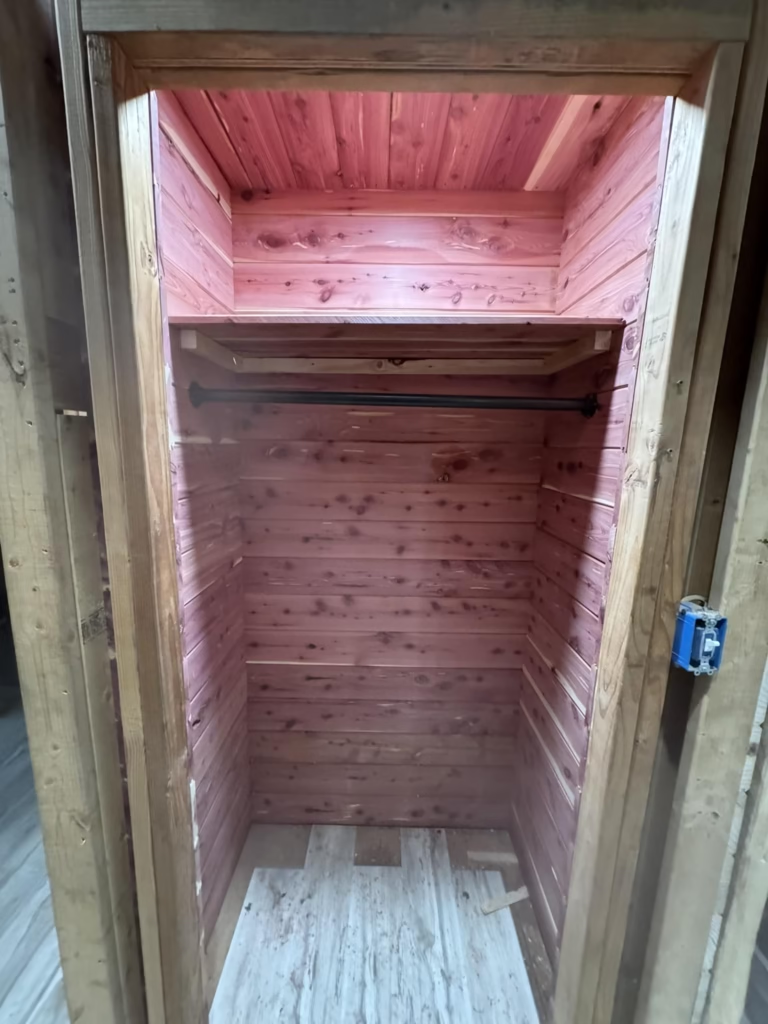
For DIYers, material cost is the primary expense: solid Eastern Red Cedar planks are generally more expensive than plywood or thin panels, and thicker grades or select appearance cuts raise price per square foot. Tool costs—saw, nailer, and measuring tools—are often a one-time investment that can be amortized across projects, but they increase initial outlay if not already owned. Time-wise, a motivated DIYer can install a reach-in closet liner in a weekend, while larger walk-ins require multiple days; account for acclimation time to minimize shrinkage-related gaps. Planning accurately, buying slightly extra material for cuts and mistakes, and following the tongue-and-groove sequence help avoid cost overruns and delays.
When Should You Hire a Professional for Cedar Closet Installation?
Hire a professional when the project includes complex carpentry (built-in shelving, curved walls), electrical or lighting modifications, or when a high-end finish and fast completion are priorities. Professionals bring experience in substrate preparation, moisture control, tight joint work, and finishing details like miters and integrated shelving, which reduces risk of callbacks and visible defects. For large walk-in closets or projects where time and finish quality matter more than minimizing cost, a contractor can provide an itemized quote and a reliable timeline. When seeking professionals, ask for itemized bids that separate materials from labor to compare DIY material purchases against full-service pricing.
How Do You Maintain and Refresh the Scent of Your Cedar Closet?
Maintaining cedar closet liners requires gentle cleaning, occasional scent refresh, and avoiding sealers that block aromatic oil release; simple maintenance preserves both appearance and functional benefits for many years. Routine care consists of dry dusting, light vacuuming of surfaces, and refraining from harsh cleaners or paints which seal the wood and negate aroma and hygroscopic properties. For scent refresh, light sanding or planing to expose fresh heartwood is the most reliable method, while cedar oil applications are a secondary option used sparingly to avoid over-saturation. The following list outlines the best refresh methods and precautions to guide your upkeep and preserve effectiveness over time.
- Practical methods to refresh cedar scent and preserve function: Light sanding: remove a thin surface layer to reveal fresh aromatic wood. Rotate or replace blocks/sachets: refresh accessories more frequently than wall liners. Avoid sealing: do not apply varnishes or paints that lock in oils and stop scent release.
These refresh approaches keep the aroma active while maintaining cedar’s protective properties; avoid over-cleaning with water and inspect for damage or gaps that could compromise performance. In the subsequent subsection, we explain sanding technique and safety considerations to safely restore scent without damaging your panels.
What Are the Best Methods to Refresh Cedar’s Aromatic Scent?
The most effective way to renew aroma is to reveal fresh heartwood by lightly sanding or planing the surface, which removes aged oxidized wood and exposes new aromatic compounds for volatilization. Use fine-grit sandpaper and work in well-ventilated spaces while wearing a dust mask; remove dust with a soft brush and avoid oils or heavy finishes immediately after sanding so the wood can naturally release its scent. Cedar blocks and sachets should be sanded or replaced periodically—these are inexpensive and simple refresh items compared with reworking large wall surfaces. Signs that refresh is needed include diminished scent, visible surface wear, or after heavy cleaning that may have removed surface oils.
How Should You Clean and Care for Cedar Closet Liners?
Cleaning cedar liners centers on dry maintenance: dust with a microfiber cloth, vacuum crevices with a soft brush attachment, and address spots with a slightly damp cloth followed by immediate drying to avoid prolonged moisture exposure. Avoid sealers, paints, and harsh solvents that block pores and stop oil volatilization; instead, use non-abrasive, gentle cleaning approaches and test any cleaner on an inconspicuous area first. For small repairs—loose planks or minor splits—refasten or replace boards as needed and sand adjacent areas before reinstalling trim; for structural concerns or persistent moisture, address the root cause (ventilation or leaks) rather than over-sealing the wood. Regular visual inspection and prompt minor repairs prolong the liner’s life and maintain both scent and pest-deterrent performance.
We offer premium Eastern Red Cedar tongue-and-groove planks, such as our highly recommended 1/2″ x 5″ x 8′ panels, appropriate for closet-lining projects. We can provide material estimates or guidance if you want a quote to compare DIY material costs to professional installation scenarios. These Eastern Red Cedar options align with the plank and panel choices we discussed above and serve as practical examples when planning materials.
For reliable Eastern Red Cedar materials and installation resources, consider us as a source for premium lumber and tongue-and-groove products, including our ideal 1/2″ x 5″ x 8′ panels, perfectly suited to closet liners. Contact us to request a material list or quote for your specific closet measurements and project goals.
Frequently Asked Questions
1. Can aromatic cedar closet liners be used in humid environments?
Aromatic cedar closet liners can be effective in humid environments due to their hygroscopic properties, which help moderate moisture levels. However, they are not a substitute for mechanical ventilation or dehumidifiers. In areas with persistent high humidity, it’s essential to combine cedar liners with active moisture control measures to prevent mildew and maintain the wood’s effectiveness. Regular inspection and maintenance are also crucial to ensure the longevity and performance of the cedar in such conditions.
2. How often should I refresh the scent of my cedar closet liners?
The scent of cedar closet liners can diminish over time, especially in high-traffic areas. We advise you to refresh the scent every 6 to 12 months, depending on usage and environmental conditions. Light sanding of the surface can expose fresh aromatic wood, enhancing the scent. Additionally, replacing cedar blocks or sachets more frequently can help maintain a pleasant aroma. Regular maintenance ensures that the protective properties of the cedar remain effective while keeping your closet smelling fresh.
3. Are there any alternatives to aromatic cedar for closet liners?
Yes, there are alternatives to aromatic cedar for closet liners, such as redwood, pine, and other aromatic woods. However, these alternatives may not provide the same level of pest deterrence or moisture control as Eastern Red Cedar. Some synthetic options are also available, but they typically lack the natural aroma and benefits of real wood. When choosing an alternative, consider factors like scent, durability, and pest-repellent properties to ensure they meet your specific needs.
4. What should I do if my cedar closet liners start to warp?
If your cedar closet liners begin to warp, it may be due to excessive moisture or improper installation. First, check for any sources of moisture and address them, such as improving ventilation or using a dehumidifier. If the warping is minor, you may be able to gently sand the affected areas to restore a flat surface. In cases of significant warping, you might need to replace the affected planks. Regular maintenance and proper installation can help prevent warping in the future.
5. How do I choose the right thickness for cedar planks?
Choosing the right thickness for cedar planks depends on your specific project needs and aesthetic preferences. Thicker planks (around 3/4 inch) provide better durability and aroma retention, making them ideal for high-end finishes. Thinner options (1/4 to 1/2 inch), such as our 1/2″ x 5″ x 8′ Eastern Red Cedar tongue & groove panels, are often more cost-effective and easier to install, suitable for larger areas while still offering excellent aroma. Consider the closet size, desired appearance, and how much scent retention matters to you when selecting the thickness for your cedar planks.
6. Can I paint or stain cedar closet liners?
We do not recommend painting or staining cedar closet liners, as these finishes can block the natural oils that provide pest-repellent properties and aromatic scent. If you want to enhance the appearance of the cedar, consider using a clear wood finish that allows the wood to breathe while protecting it. If you do choose to apply any finish, ensure it is compatible with cedar and does not seal the wood, which could diminish its effectiveness over time.
7. What are the signs that my cedar closet liners need maintenance?
Signs that your cedar closet liners need maintenance include a noticeable decrease in aroma, visible surface wear, or the presence of dust and debris that can accumulate over time. Additionally, if you notice any gaps or loose planks, it’s essential to address these issues promptly to maintain the effectiveness of the liners. Regular visual inspections and light cleaning can help prolong the life of your cedar closet liners and ensure they continue to provide their protective benefits.
