
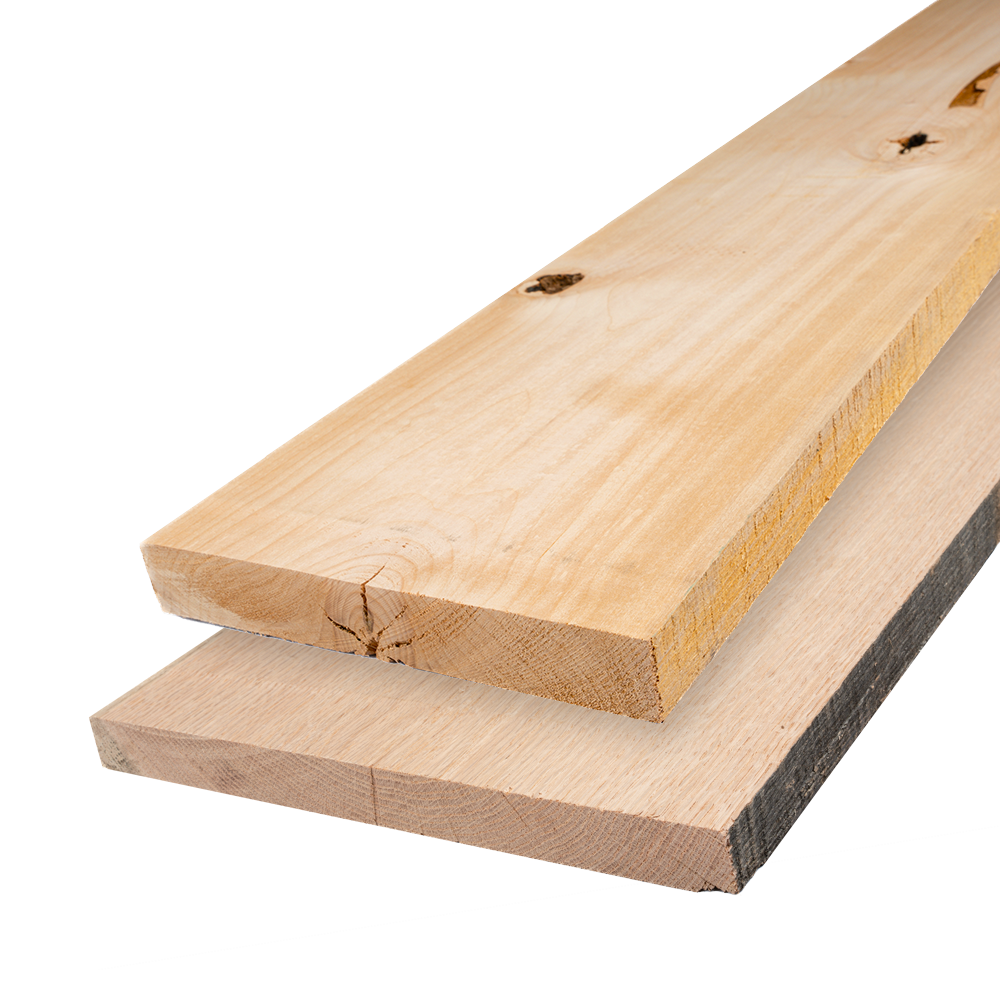
What exactly is a board foot? How is a square foot different? And what do phrases like kiln dried cedar or green lumber mean for your wood? This friendly guide will define these lumber terms in plain language, show you how they’re calculated (when applicable), and give real-world examples.
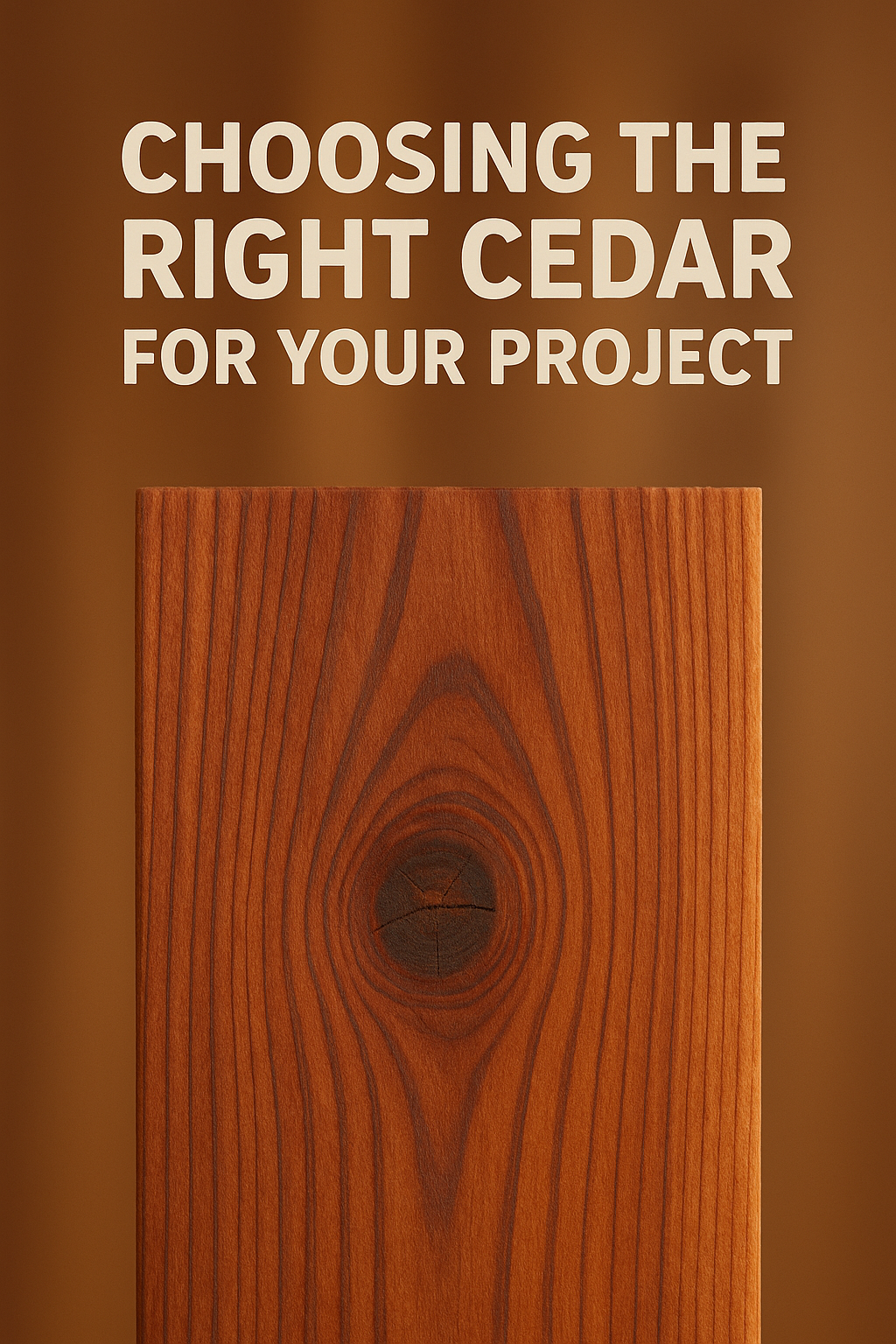
Eastern Red Cedar vs Western Red Cedar: A Comprehensive Comparison
In this friendly yet informative guide, we’ll compare Eastern and Western Red Cedar in detail – covering everything from wood color and grain to rot resistance, hardness (Janka ratings), common applications (like cedar siding, furniture, or closet linings), aroma, workability, cost, and more. By the end, you’ll understand the strengths of each cedar and get guidance on choosing the right one for your project.

Hardwood vs Softwood Lumber: Differences Explained (Oak, Walnut, Pine, Cypress & Eastern Red Cedar)
The terms hardwood and softwood actually refer to the type of tree, not necessarily the wood’s actual hardness. Hardwoods come from deciduous, broadleaf trees (like oak and walnut), while softwoods come from conifers/evergreens with needles (like pine, cedar, and cypress).

Why Aren’t You Open on Saturdays?
The reason we’re closed on Saturdays is simple: we love our work, but we love our families more.
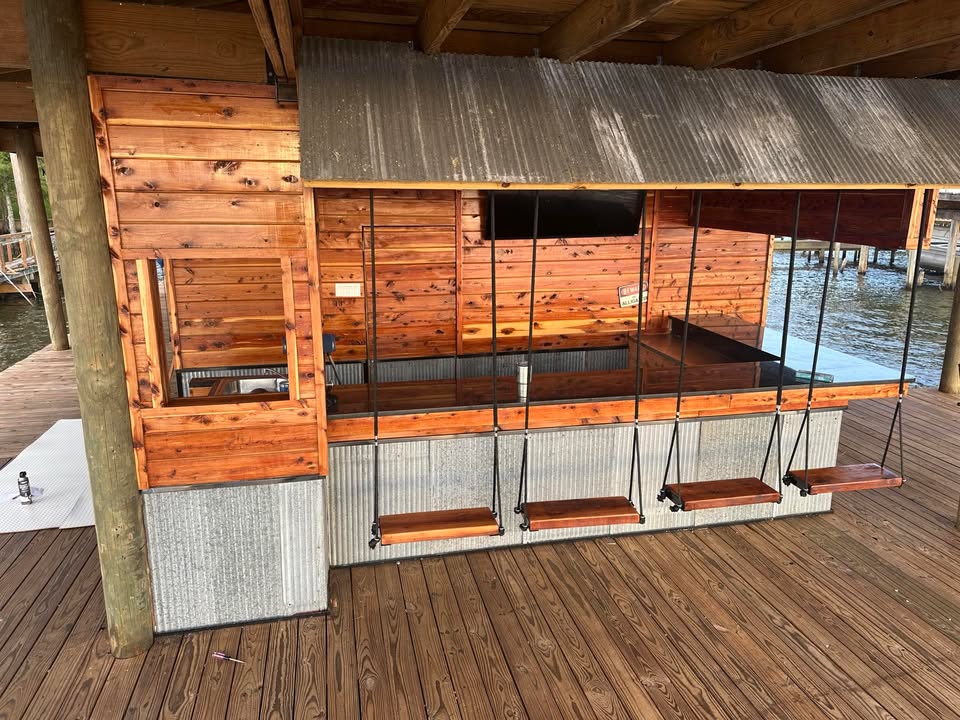
Shiplap vs Tongue & Groove: The Ultimate Guide to Differences, Durability, Cost, and Installation
Shiplap uses a rabbeted overlap where one board laps the next, creating a distinct shadow line that emphasizes horizontal courses, while tongue & groove uses a projecting tongue on one edge that fits into a mating groove for a tight, interlocking seam. These joint types influence installation tolerances, movement under humidity, and the finished appearance of walls, ceilings, or siding.
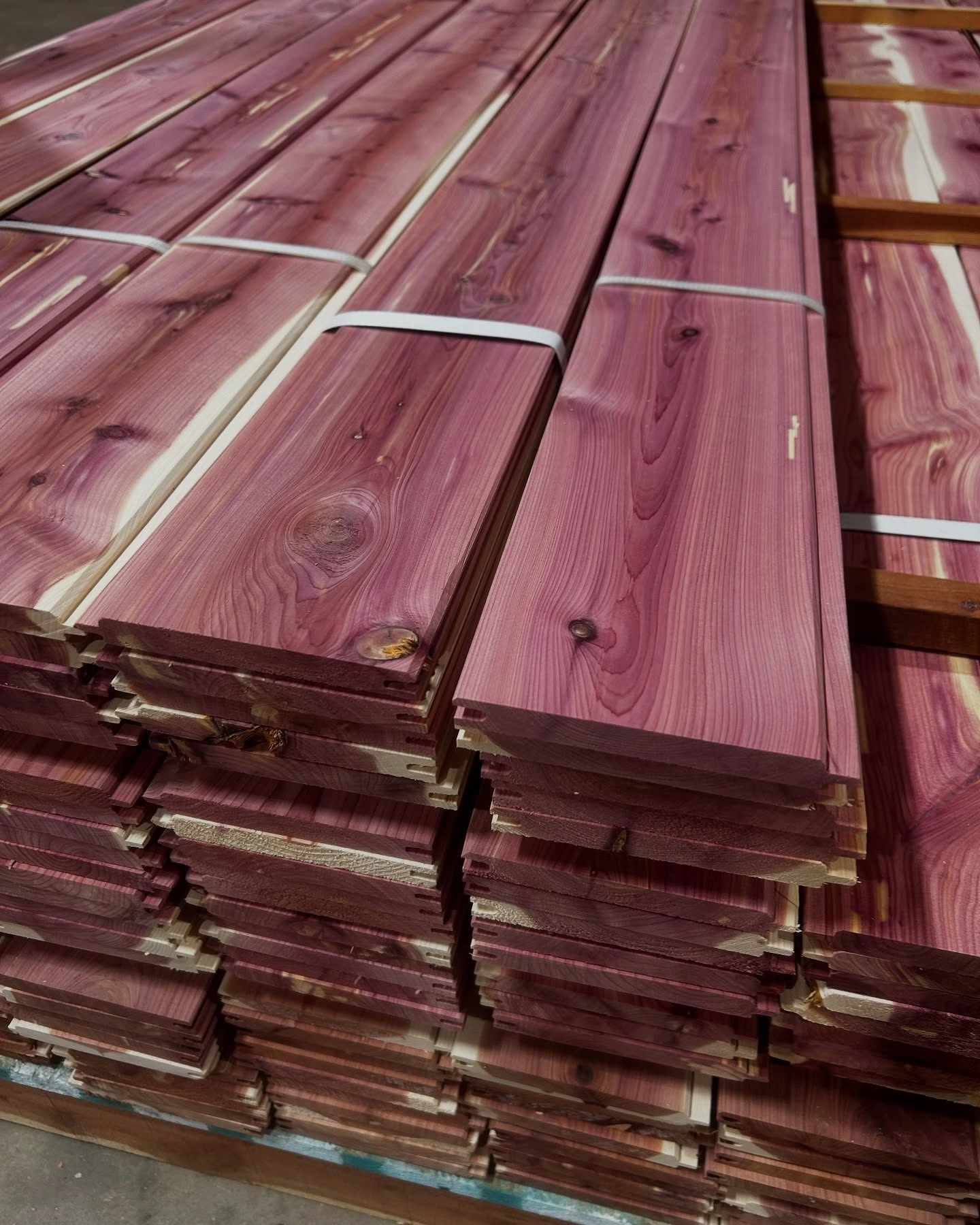
Aromatic Cedar Closet Liners: Natural Benefits, Installation, and Maintenance Guide
Aromatic cedar liners deter moths and certain fabric pests primarily through volatile organic compounds (VOCs) released from the heartwood; these compounds interact with insect olfactory receptors and reduce attraction or feeding behavior on stored textiles. Typical targets include clothing moth larvae and other fabric-feeding larvae; cedar’s oils are not a guaranteed exterminant but act as a preventative layer that lowers pest activity in properly maintained storage.
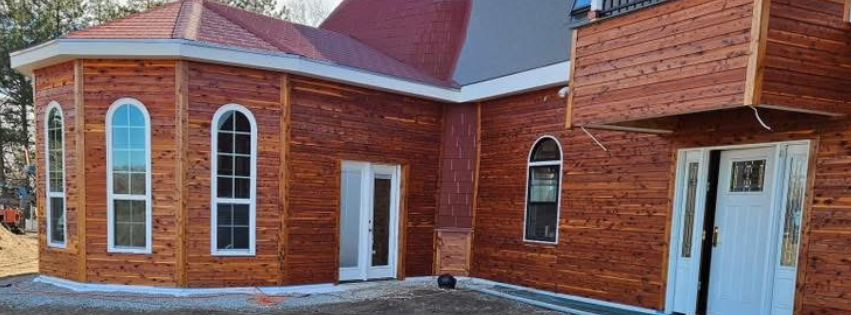
What is Dutch Lap Siding? Definition, Materials, Benefits, and Installation Guide
Dutch lap siding delivers pronounced aesthetic depth, reliable water-shedding geometry, and flexible material options that can improve thermal performance and resale value when specified correctly. The mechanism behind these benefits is the profile design: the concave face and reveal create a shadow line that enhances perceived detail, while overlapping courses shed water efficiently.

More Than About Us – Part 2
Our story is, was, and always will be about “us.” There is no individual piece of the puzzle that is greater than the others. In Part 1, I shared how our family left Kansas and followed God’s call to Arkansas—an unexpected move that would change our lives. Now, nearly 25 years later, there’s still a lot of story left to tell.

Is Eastern Red Cedar Toxic?
It smells strong. It acts as a natural insect repellent. It even keeps moths out of your sweaters. But is there something “toxic” lurking beneath the surface of this beautiful wood?

More Than About Us: Part 1 — How Faith Moved Us To Mountain Home
How our family migrated by faith from Oklahoma to Kansas and then to Arkansas is not a story about how we accepted new jobs or seized new opportunities, but how we, as a family — my parents Wirt and Jeanie especially — took a leap of faith when they felt God urging them to move.